Services
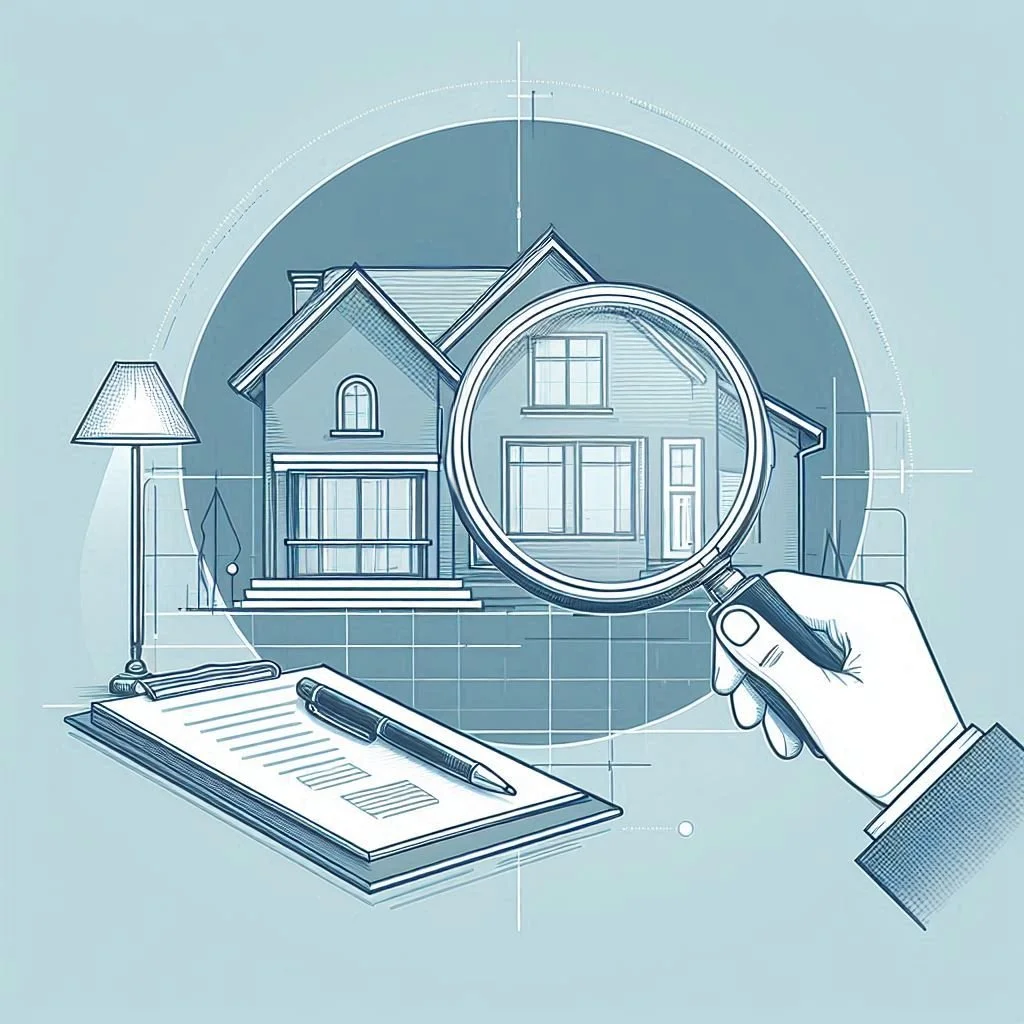
Residential Home Inspection
A residential home inspection is a professional, visual examination of a home's readily accessible systems and components, performed to assess their condition at the time of inspection.
It benefits home buyers, sellers, and real estate professionals by providing an objective report on the home's current state, helping inform decision-making and negotiations.
Key systems inspected typically include the roof, foundation, electrical, plumbing, HVAC, insulation, and interior/exterior structural elements.
The inspection follows established industry standards of practice to ensure consistency, thoroughness, and reliability of findings.
No invasive procedures are performed; the inspection is limited to visible and accessible areas without disassembling or damaging property.
Pre-purchase or pre-listing inspections.
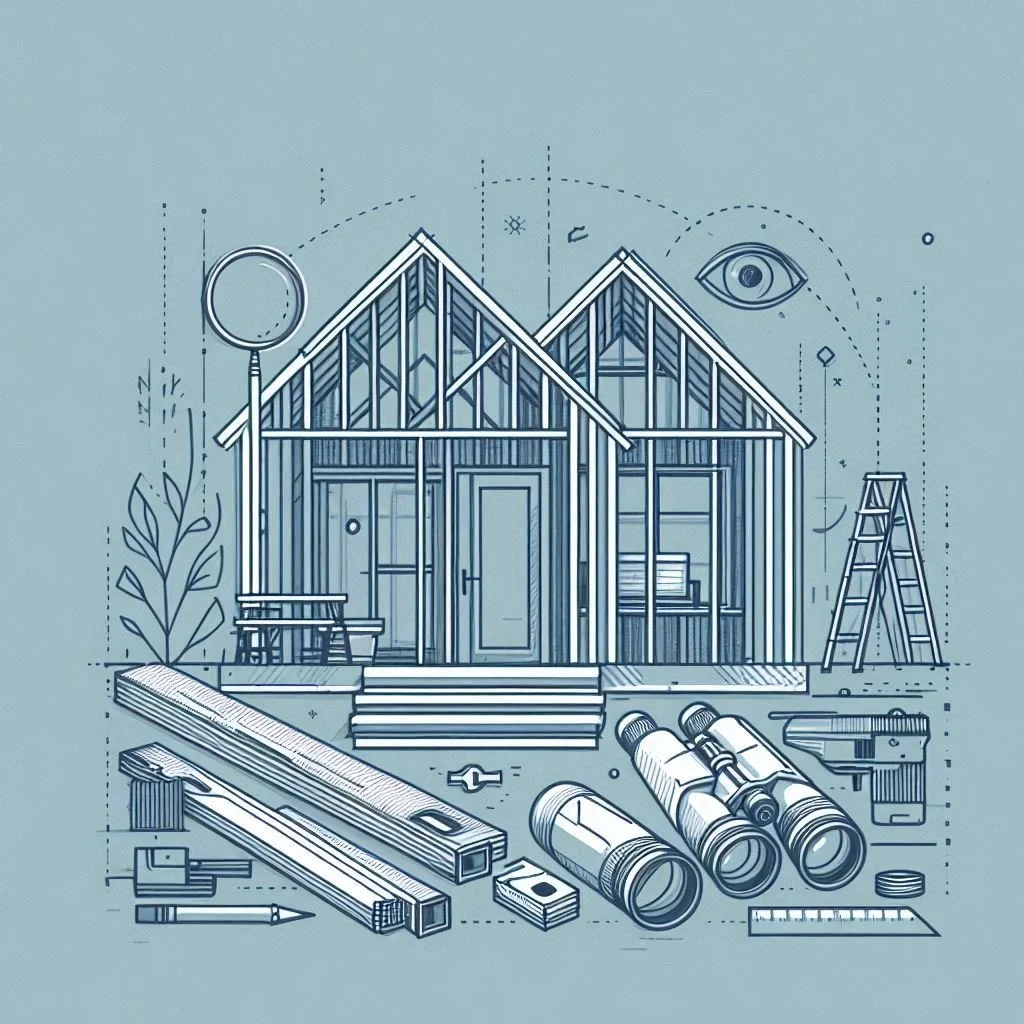
New Contruction Inspection
New construction inspections are thorough assessments conducted on newly built homes or buildings to ensure quality and compliance with industry standards.
They are designed for homebuyers, builders, and real estate professionals seeking assurance that construction has been completed correctly.
These inspections focus on readily accessible systems, including structural components, electrical, plumbing, HVAC, and more.
The process involves a visual examination without destructive testing, identifying any visible defects or issues before finalizing the purchase or occupancy.
Maintenance Inspection
A maintenance inspection is a visual evaluation of a home's readily accessible systems, conducted according to industry standards of practice to identify potential issues before they become major problems.
It benefits homeowners, buyers, and property managers by providing a clear understanding of the current condition of the property and its components.
This inspection helps homeowners plan and prepare for necessary repairs or replacements, allowing for budgeting and scheduling without unexpected disruptions.
Common systems inspected include roofing, plumbing, electrical, HVAC, insulation, and structural elements like walls and foundations.
The inspection focuses on accessible areas without intrusive testing, ensuring a thorough but non-invasive assessment of the home’s maintenance needs.

Home Warranty Inspection
A home warranty inspection is a professional, visual examination of readily accessible systems and components in a home, such as plumbing, electrical, heating, and cooling systems.
It is designed for homeowners, buyers, and sellers who want to identify potential issues before their warranty expires to avoid costly repairs.
This inspection occurs right before the warranty expires or helps determine the eligibility for a home warranty, providing peace of mind with added protection for covered repairs and replacements.
Conducting a home warranty inspection is important as it highlights visible defects, ensuring transparency and informed decision-making during real estate transactions.

Light Commercial Inspection
A light commercial inspection is a thorough, visual examination of readily accessible systems and components in a commercial property, conducted according to established industry standards of practice.
This inspection specifically benefits buyers of commercial properties by identifying potential issues, helping them make informed decisions, and negotiating repairs or price adjustments before finalizing the purchase.
Key systems inspected typically include the building’s structural elements, HVAC (heating, ventilation, and air conditioning), electrical systems, plumbing, parking and roofing.
The inspection does not involve destructive testing or dismantling of systems but focuses on accessible areas to assess the current condition and identify safety or maintenance concerns.
Following standardized protocols ensures consistency and reliability, providing the commercial property buyer with a comprehensive overview of the property’s condition.